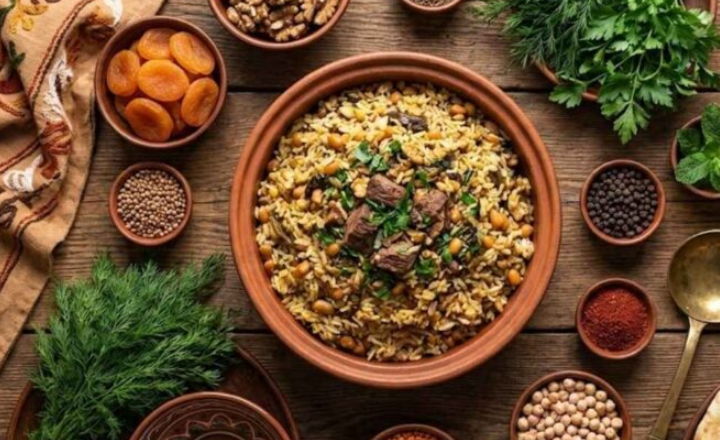

Introduction to Qoghundos
Qoghundos, a traditional delicacy from certain regions, are a testament to rich culinary heritage and cultural significance. They serve not just as a food item, but as a representation of local customs, often prepared during festive occasions, family gatherings, or community celebrations. The art of making Qoghundos is passed down through generations, each imparting their unique flair and techniques. The preparation of these items is an intricate process, reliant on a variety of ingredients that contribute to both their flavor and texture.
At its core, the essence of Qoghundos lies in the combination of fresh, locally sourced ingredients. These elements not only enhance the dish’s sensory appeal but also offer a glimpse into the region’s agricultural practices and seasonal offerings. Diverse ingredients in Qoghundos can include grains, spices, herbs, and various forms of proteins, each playing a pivotal role in determining the final product’s success. The interaction of these components results in a harmony of flavors that captivates those who indulge.
Additionally, ingredients in Qoghundos are chosen with careful consideration to balance taste, nutritional value, and textural integrity. For example, the use of particular spices may elevate the overall profile, while the inclusion of certain grains can provide the necessary foundation of the dish. The meticulous selection process ensures that each batch of Qoghundos maintains the standard that has been cherished for years.
As we delve deeper into the specifics, it becomes clear that each ingredient, no matter how small, contributes to the greater narrative of what Qoghundos represent in their respective cultures. Thus, understanding these culinary components not only enriches our appreciation of the dish but also connects us to the traditions and histories they embody.
Essential Ingredients in Qoghundos

Qoghundos is a traditional dish that is rich in flavor and texture, thanks to its combination of various essential ingredients. Understanding these components enhances the appreciation of this culinary delight and provides insight into its unique characteristics.
At the heart of Qoghundos lies a selection of staple ingredients that form the foundation of the dish. The primary ingredient is usually rice, which serves as the base. Its ability to absorb flavors and maintain a soft texture makes it an ideal vehicle for the accompanying components. Often, fragrant basmati rice is preferred for its aromatic characteristics, which elevate the dish’s overall profile.
Another crucial ingredient in Qoghundos is meat, commonly lamb or chicken, which adds richness and depth to the dish. The chosen meat is typically marinated with spices such as cumin and coriander, contributing to the robust flavor profile. The use of meat not only enhances taste but also provides a source of protein, making the dish hearty and filling.
In addition to rice and meat, vegetables play an integral role in the composition of Qoghundos. Ingredients such as carrots, peas, and bell peppers are frequently included, offering both color and nutritional value. These vegetables are often sautéed before being combined with the rice, allowing their flavors to meld harmoniously during cooking.
Additionally, various spices such as saffron, turmeric, and paprika are added to Qoghundos, contributing to its vibrant colors and complex aromas. Saffron, in particular, infuses the dish with a distinct golden hue and luxurious fragrance, while turmeric imparts an earthy undertone.
Overall, the ingredients in Qoghundos work synergistically to create a balanced and flavorful meal. Each component adds its unique characteristics to the dish, making it a beloved choice for many. Understanding these essential ingredients allows culinary enthusiasts to appreciate the flavors and preparation methods involved in creating Qoghundos.
Regional Variations and Unique Ingredients
The culinary landscape of Qoghundos is notably diverse, with regional variations introducing unique ingredients in Qoghundos that enhance its flavors and textures. Each geographical area brings its own local produce, meats, and spices, which not only reflect the agricultural practices of the region but also the cultural heritage of the communities that create this dish.
For instance, in the northern regions, where the climate is cooler, the Qoghundos may feature heartier ingredients such as root vegetables and fatty meats. These ingredients lend a rich, robust flavor profile, making the dish a warming comfort food during colder months. On the other hand, coastal regions often incorporate fresh seafood, giving Qoghundos a lighter taste that highlights the natural flavors of the ocean. The use of native herbs and spices, unique to each area, enhances the dish’s aromatic quality and complexity, underscoring the significant impact of local agricultural practices on its preparation.
Furthermore, some regions adopt alternative cooking techniques that alter both the texture and presentation of Qoghundos. For example, slow-cooking methods are prevalent in areas with a tradition of communal cooking, resulting in tender, flavorful dishes. In contrast, urban centers may experiment with modern plating techniques, making the dish visually striking while preserving its traditional essence. This interplay between traditional ingredients and innovative methods exemplifies how culinary practices evolve yet remain deeply rooted in cultural identity.
The variations in the ingredients in Qoghundos based on regional influences not only enrich the culinary experience but also serve as a testament to the rich tapestry of cultural traditions. As each region puts its spin on this beloved dish, it becomes a reflection of the people who prepare it, continually celebrating the local flavors and stories that define their heritage.
Cooking and Preparing Qoghundos with Ingredients
Cooking Qoghundos, a traditional dish renowned for its complexity and flavor, requires careful attention to both the ingredients and the preparation techniques used. The foundation of a great Qoghundos lies in selecting high-quality ingredients that contribute to the dish’s authentic taste. Key components typically include robust vegetables, aromatic spices, and tender meat, all of which should be fresh and sourced from reputable suppliers to ensure the best results.
When preparing Qoghundos, it is crucial to pay close attention to the chopping and layering of ingredients. The vegetables, for instance, should be cut uniformly to allow for even cooking. Aromatic spices should be toasted briefly to release their essential oils and enhance the overall flavor profile of the dish. The combination of cooking methods, such as sautéing, simmering, and slow cooking, plays a significant role in developing the depth of flavor that Qoghundos is celebrated for.
While traditional ingredients are essential, it is also important to consider viable substitutes for those that may not be easily accessible. For example, if certain spices like saffron are not available, alternatives such as turmeric can provide a similar color, albeit with a different flavor. In choosing substitutes, one must ensure that they maintain the essence of the dish without compromising its integrity. Furthermore, incorporating seasonal vegetables can add a fresh twist while making the dish more affordable and accessible.
Ultimately, the cooking process of Qoghundos should be approached with patience and care, resulting in a hearty meal that embodies the richness of its ingredients. By understanding the vital role of each component, one can successfully craft a dish that not only satiates hunger but also celebrates the culinary traditions of the region.

